Central Indiana’s climate—marked by temperature extremes, humidity, and severe storms—places constant stress on roofing systems and accelerates material wear. Many homeowners are left with an important question: how long should a roof last in Indianapolis?
Roofs in this region must withstand freeze-thaw cycles, high summer heat, wind-driven rain, and periodic hail, all of which increase the risk of leaks and structural damage over time. That’s why proactive planning and routine inspections are essential for protecting your investment.
In this guide, we’ll explain how long common roofing materials last, what affects durability, and how to extend your roof’s lifespan.
If you’re concerned about your roof’s condition, call 317-884-3140 or contact us online to schedule a professional inspection.
How Long Should a Roof Last in Indianapolis?
The average roof lifespan in Indianapolis depends on several key variables, including roofing material, installation quality, attic ventilation, weather exposure, and ongoing maintenance.
When properly installed and maintained, most residential roofs fall within the following ranges:
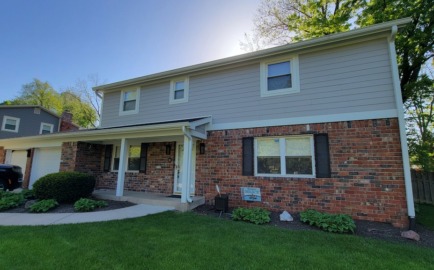
- Standard asphalt shingles: 20–25 years
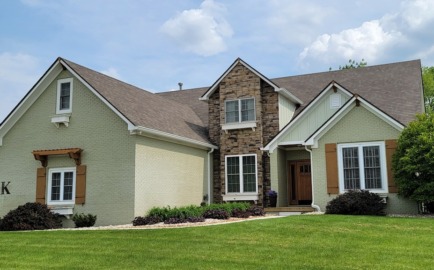
- Architectural shingles: 25–35 years
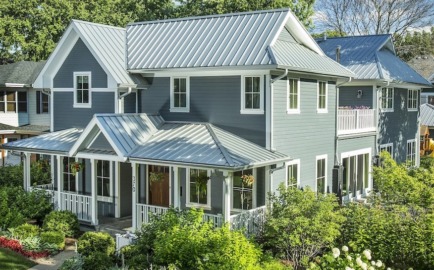
- Metal roofing: 40–70+ years
- Wood shakes: 25–40 years
- Slate and tile: 50–100+ years
- Flat roofing systems: 10–25 years
Because asphalt shingles dominate residential construction in Central Indiana, most homeowners fall within the 20–30 year range when proper care, ventilation, and timely repairs are provided.
How Indianapolis Weather Affects Roof Longevity
High summer temperatures can accelerate shingle aging and reduce lifespan. The DOE notes that reflective and energy-efficient roofing can mitigate heat buildup, helping roofs last longer while lowering cooling costs.
Seasonal Temperature Changes
Indianapolis experiences hot, humid summers and cold winters with frequent freezing temperatures. These fluctuations cause roofing materials to expand and contract repeatedly, which gradually weakens seals, fasteners, and shingle edges.
Over time, thermal movement can contribute to:
- Shingle cracking and splitting
- Sealant deterioration
- Nail loosening
- Premature aging
Storms, Wind, and Hail
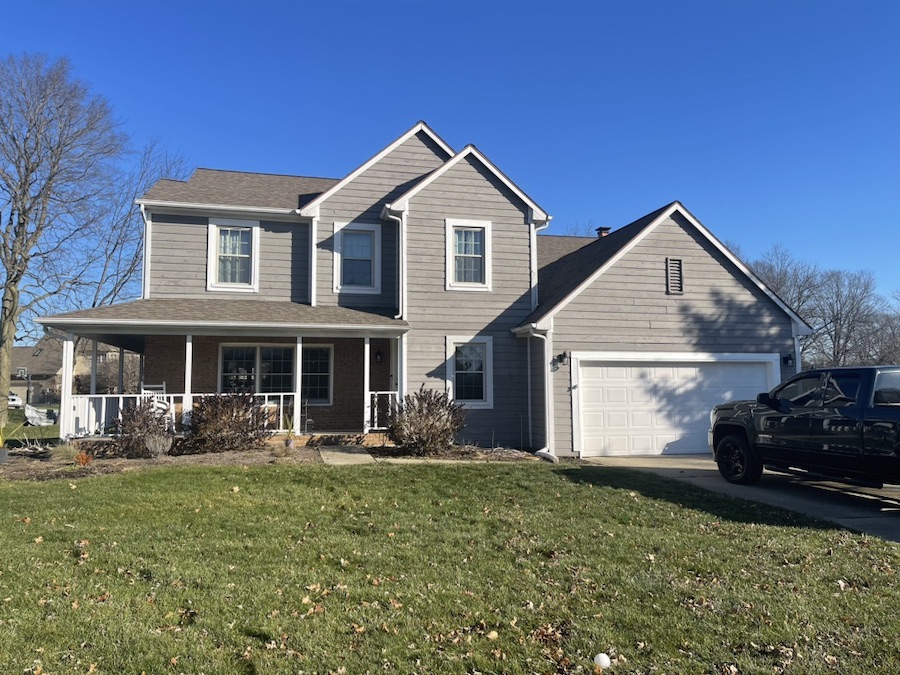
Severe weather is one of the most significant threats to roof lifespan in Central Indiana. Thunderstorms, high winds, and hail events can cause both visible and hidden damage.
Common storm-related issues include:
- Lifted or missing shingles
- Dented flashing and vents
- Punctured underlayment
- Displaced ridge caps
If your home has been impacted by storms, professional storm damage services help identify and repair damage before it leads to interior leaks or structural deterioration.
Moisture and Humidity
High humidity and frequent rainfall increase the risk of moisture intrusion. When attic ventilation is inadequate, trapped moisture can condense on roof decking and insulation.
Excess moisture contributes to:
- Mold and mildew growth
- Wood rot
- Algae staining
- Underlayment breakdown
Lifespan of Common Roofing Materials in Indianapolis
According to the NRCA, the lifespan of roofing materials can vary widely depending on installation, maintenance, and local climate conditions.
Asphalt Shingle Roofing
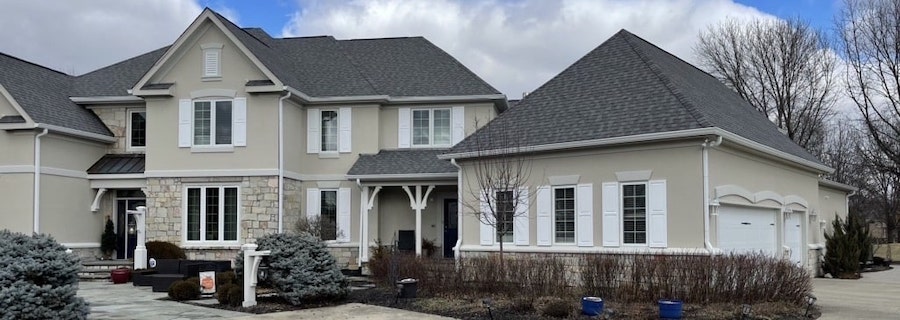
Asphalt shingles remain the most widely used roofing material in Indianapolis due to their affordability, availability, and versatility.
3-Tab Shingles
- Lifespan: 15–25 years
- Lower upfront cost
- Flat, uniform appearance
- Lower wind resistance
Architectural Shingles
- Lifespan: 25–35 years
- Multi-layer construction
- Improved wind ratings
- Dimensional appearance
- Better impact resistance
Architectural shingles are now the preferred choice for most homeowners seeking durability, aesthetics, and long-term value.
Metal Roofing
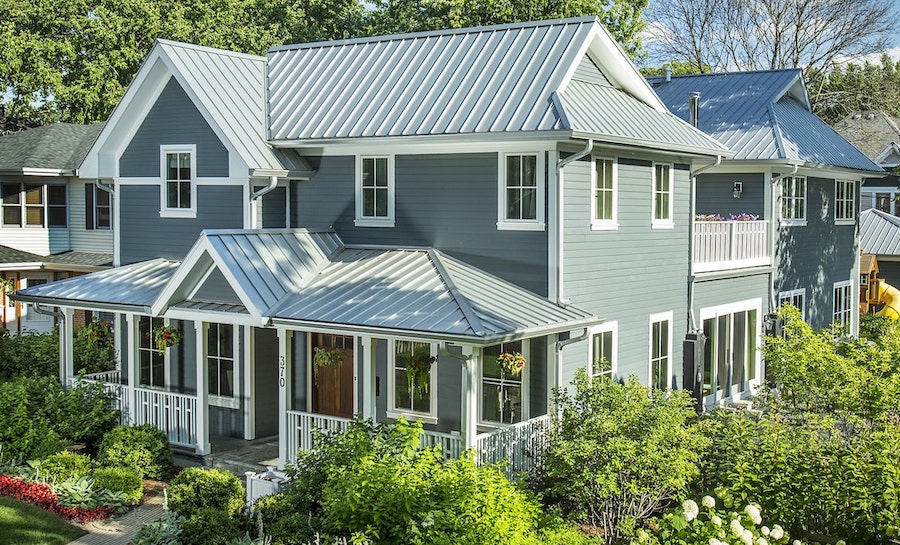
Metal roofing systems provide exceptional longevity and weather resistance.
- Lifespan: 40–70+ years
- Fire resistant
- Reflects solar heat
- Low maintenance requirements
- High wind resistance
While initial installation costs are higher, metal roofs often deliver long-term savings through reduced maintenance and energy efficiency.
Wood, Slate, and Tile Roofing
Premium roofing materials offer outstanding durability but require specialized installation and structural evaluation.
- Wood shakes: 25–40 years
- Slate and tile: 50–100+ years
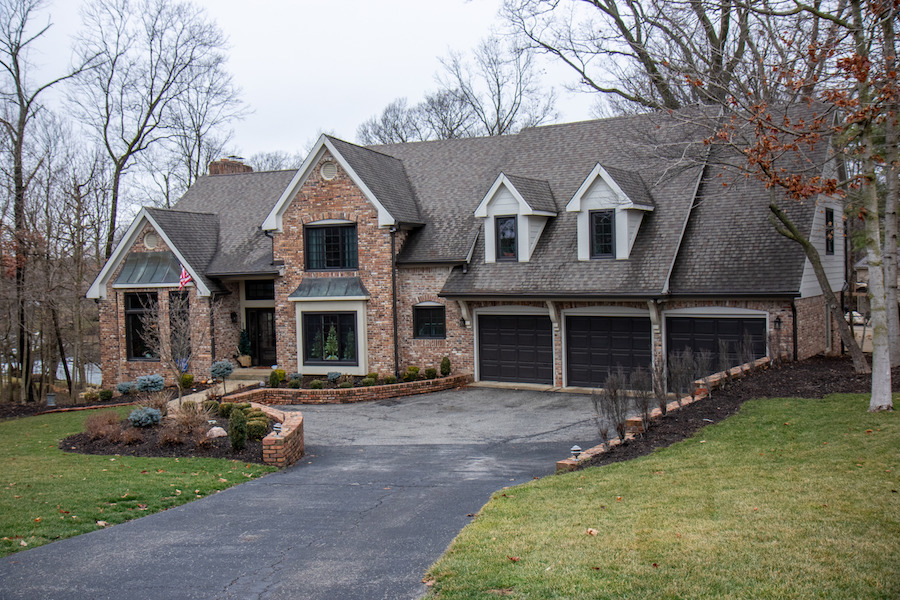
These systems are most commonly found on custom-built, historic, or high-end homes.
Flat and Low-Slope Roofing
Flat and low-slope roofs require careful drainage management and routine inspections.
- Lifespan: 10–25 years
- Requires frequent maintenance
- Prone to ponding water
- Higher leak risk
Factors That Determine How Long Your Roof Will Last
Installation Quality
Even premium materials can fail prematurely if installed incorrectly. Proper flashing, fastening, sealing, and ventilation are essential to long-term performance.
Ventilation and Insulation
Balanced attic ventilation regulates temperature and moisture levels, helping prevent shingle overheating and condensation buildup.
Maintenance and Inspections
Annual inspections identify early signs of wear and damage. Professional roof repair services help address problems before they become costly replacements.
Roof Design and Pitch
Steeper roof slopes promote efficient water runoff, while valleys and complex intersections require additional attention and maintenance.
Warning Signs Your Roof Is Nearing the End of Its Lifespan
Exterior Warning Signs
- Curling, cracked, or blistered shingles
- Excessive granule loss
- Missing shingles
- Sagging rooflines
- Corroded flashing
Interior Warning Signs
- Ceiling stains
- Mold or mildew odors
- Attic moisture
- Peeling paint
- Unexplained drafts
If any of these symptoms appear, professional evaluation is recommended.
How to Extend Your Roof’s Lifespan in Indianapolis
Schedule Regular Inspections
Annual inspections and post-storm evaluations allow issues to be addressed early.
Maintain Gutters and Drainage
Clear gutters and downspouts prevent water backup and fascia damage.
Trim Nearby Trees
Removing overhanging branches reduces physical damage and debris buildup.
Address Repairs Promptly
Timely repairs prevent minor defects from spreading into structural problems.
Upgrade Aging Systems
Modern underlayments, ventilation upgrades, and improved flashing systems enhance durability.
Repair vs. Replacement: Making the Right Decision
When Repairs Are Enough
Repairs are appropriate when damage is localized and the roof remains structurally sound.
When Replacement Is the Better Investment
Replacement is recommended when deterioration is widespread, leaks are recurring, or materials are nearing the end of their rated lifespan.
UHQ provides honest assessments to help homeowners choose the most cost-effective solution.
Why UHQ Installs Owens Corning Roofing Systems
At Unrushed Honest Quality, we believe long-lasting roofs begin with proven materials and precise installation. That’s why we proudly install Owens Corning® roofing systems, one of the most respected brands in the industry.
Owens Corning shingles are engineered for wind resistance, moisture protection, and long-term durability in Midwest climates.
Benefits of Owens Corning Roofing Systems
- Wind resistance up to 130 MPH
- SureNail® fastening technology
- Advanced algae resistance
- Energy-efficient shingle options
- Industry-leading warranties
As a certified installer, UHQ follows best practices to ensure optimal performance and warranty eligibility.
Schedule Your Free Roof Inspection With UHQ Today
Your roof protects your home, family, and investment. Waiting for visible damage often leads to higher repair costs and unnecessary risk.
At Unrushed Honest Quality, we provide thorough inspections, honest recommendations, and dependable workmanship.
Call us today at 317-884-3140 or contact us online to schedule your free inspection.
FAQ: How Long Should a Roof Last in Indianapolis?
Q: How long should a roof last in Indianapolis on average?
Most roofs last 20 to 30 years, depending on materials, installation, and maintenance.
Q: How long does a roof last in Indianapolis with regular maintenance?
With proper care, many roofs exceed their expected lifespan by 5 to 10 years.
Q: What roofing material lasts the longest in Indiana?
Slate, tile, and metal roofs last the longest, while Owens Corning architectural shingles offer excellent durability and value.
Q: How can I tell if my roof needs repair or replacement?
Missing shingles, leaks, sagging, and rising energy bills are common indicators.
Q: How often should I schedule a roof inspection?
UHQ recommends inspections once per year and after major storms.